Top Car Accessories for Long Term Use How to Maintain Them?

Time:2026-10-06 Author:Henry
0%

Long-term car ownership changes how accessories should be judged. A bright phone mount may look useful today, but heat, vibration, dust, and repeated removal can expose weak materials quickly. S&P Global Mobility reported that the average U.S. vehicle age reached about 12.6 years in 2024. That figure supports a practical question: can an accessory remain safe, stable, and functional for years?

This guide explores top car accessories for long-term use, including rubber floor mats, roof racks, dash cameras, trunk organizers, battery chargers, and quality phone mounts. According to AAA’s Your Driving Costs studies, maintenance, repair, and tire expenses remain a significant ownership cost. Protecting the cabin and reducing avoidable wear therefore deserves attention. David Bennett, AAA’s repair systems manager, has stated, “The best way to avoid costly repairs is to follow the vehicle manufacturer’s recommended maintenance schedule.” The same discipline applies to accessories. Inspect mounting points, clean contact surfaces, tighten fasteners, and replace cracked cables before failure occurs.

How to maintain car accessories long-term is not a perfect science. Some products fail early, even when used carefully. I have seen small habits make a major difference: wiping a dash camera lens, drying wet mats, and storing removable organizers away from direct sunlight. Check accessories after extreme weather. Look for fading, loose stitching, brittle plastic, or unusual electrical heat. A clean appearance can mislead. A neglected connector may be the real problem. This article offers practical maintenance steps, evidence-based buying guidance, and honest reminders that durable accessories still require regular human attention.
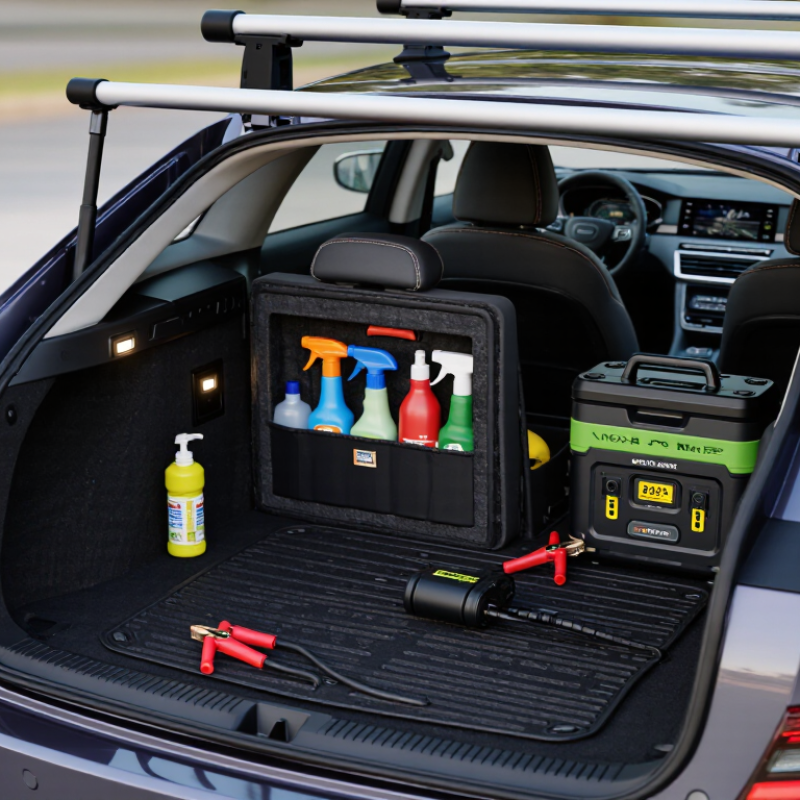
Top Car Accessories for Long Term Use How to Maintain Them?

Choosing Durable Car Accessories for Long-Term Use

Durable car accessories should match the vehicle’s real working conditions, not just its appearance. A 2024 U.S. vehicle-age analysis reported that the average light vehicle is about 12.6 years old. That figure supports buying accessories designed for repeated use, heat, moisture, and vibration.

Choose thick, flexible materials for floor liners, cargo mats, phone mounts, and sunshades. Check stitching, fasteners, surface texture, and warranty terms. A strong-looking product can still fail at its hinges or clips.

Maintenance matters more than many buyers expect. The U.S. Department of Energy’s Fuel Economy Guide notes that underinflation increases rolling resistance; each missing pound of tire pressure can reduce fuel economy by roughly 0.2%. A poorly secured roof carrier may create similar waste through extra drag.

Inspect mounting points monthly. Remove dirt from locking tracks. Dry wet mats before storage. Keep electronic accessories away from standing water.

Short checks help.

I learned this slowly.

Avoid permanent adhesive when possible. Heat can soften it, while cold can make it brittle. Replace cracked cables immediately, even when they still work. NHTSA guidance also emphasizes correct tire pressure and secure loading, which should influence accessory choices.

“Universal” does not always mean durable.

I once chose convenience over fit and regretted it after one winter. Measure twice, install once, and reconsider accessories that obstruct visibility or interfere with safety controls.

Understanding Materials, Compatibility, and Essential Features

Long-term car accessories should be chosen by material, compatibility, and safety features, not appearance alone. S&P Global Mobility reported that the average U.S. vehicle age reached 12.6 years in 2024. Older vehicles need accessories that tolerate repeated use and changing electrical systems.

For cabin organizers, look for UV-resistant nylon, reinforced stitching, and washable surfaces. TPE mats should remain flexible in cold weather and resist warping in summer heat. Heat wins.

For phone mounts, check the dashboard texture, vent strength, and airbag position. A strong clamp can still damage fragile vents.

Electrical accessories require more care. Confirm voltage, fuse protection, connector type, and power demand before installation. Consumer Reports’ 2024 Annual Auto Survey collected feedback from hundreds of thousands of vehicle owners, showing how reliability concerns remain important during long-term ownership. That supports choosing simple, serviceable equipment over complicated features.

Tips: Measure twice. Check the vehicle manual. Test accessories during daylight. Avoid blocking visibility or safety controls. Inspect cables every few months for cracking, looseness, or heat marks. Replace worn parts early. I sometimes overlook storage temperature, yet a sealed plastic case can become brittle after years in direct sun. Compatibility is not permanent; vehicle interiors and sockets age too. A small inspection log can record purchase dates, cleaning routines, and unusual noise. That detail matters.

Installing Accessories Correctly to Prevent Early Damage

Long-term car accessories often fail because installation starts with guesswork. A roof rack, phone mount, dash camera, or cargo organizer needs a firm, compatible foundation. Read the vehicle manual and accessory instructions together. Check weight limits, mounting points, airbag zones, and clearance around pedals. A small mistake can create vibration, noise, or a safety risk. Measure twice. Drill only when approved.

Use the correct fasteners and tighten them to the stated torque. Over-tightening can crack plastic trim or distort metal brackets. Under-tightening allows movement on rough roads. For electrical accessories, disconnect power before connecting wires. Use an appropriately rated fuse near the power source. Protect cables with split loom, and keep them away from hot surfaces, hinges, and sharp edges. Never let a wire cross an airbag path. I once found a loose cable hidden under a seat; it rubbed against the rail and nearly failed. That inspection changed my habit.

After installation, test the accessory while the vehicle remains parked. Open every door, adjust every seat, and check the driver’s view. Listen for rattles during a short, quiet drive. Recheck fasteners after the first trip and again after several weeks. Clean trapped dust and moisture from contact points. Some advice is easy to overlook. I still document the installation date, torque settings, and repairs, although I sometimes forget a photo. That missing record makes later troubleshooting slower. Inspect before each long journey, especially after harsh weather or carrying heavy loads.

Cleaning and Storing Car Accessories for Better Longevity

Car accessories last longer when dirt, heat, and moisture are controlled. After years of maintaining floor mats, roof organizers, phone mounts, and seat covers, I inspect each item before cleaning. Small cracks matter. Sand under a mat can grind against the carpet and trap moisture. Remove every accessory, shake off loose debris, and check its care instructions. That habit is easy to skip.

For rubber mats, use cool water, a soft brush, and mild soap. Avoid harsh solvents, which can weaken surfaces or leave slippery residue. Wipe plastic organizers with a damp microfiber cloth, especially around hinges and seams. Do not soak electronic mounts or charging accessories. Use a barely damp cloth, then dry every contact point completely. Vacuum fabric covers before washing, because wet grit becomes harder to remove. Test any cleaner on a hidden area. I once rushed this step and faded a dark cover. That mistake was preventable.

Before storage, let accessories dry indoors, away from direct sunlight. Fold fabric items loosely instead of pressing sharp creases into them. Keep small parts in a labeled, breathable container, not a sealed damp bag. Store heavy objects flat, and keep rubber away from hot metal surfaces. Check stored items every few months for odors, distortion, rust, or brittle edges. Replace anything that no longer fits securely. Clean storage is not enough if the accessory is already unsafe.

Top Car Accessories for Long-Term Use: Maintenance Intervals

Regular cleaning and inspection help prevent dirt, moisture, corrosion, and material wear. Rubber and fabric accessories usually need monthly cleaning, while structural and electronic accessories can be checked every three to six months.

Inspecting, Repairing, and Replacing Accessories When Necessary

Long-Term Car Accessories: Inspecting, Repairing, and Replacing Them

Long-term car accessories last longer when inspected regularly, not only after failure. I check roof carriers, phone mounts, floor liners, lights, and charging cables each month. Look for cracked plastic, loose bolts, frayed wires, faded labels, and moisture under mats. A small flashlight reveals damage hidden inside seams. During one winter trip, I found a softened suction pad before it detached on a rough road. That inspection prevented a dangerous distraction.

Repair damage only when it does not affect safety or proper fit. Tighten loose fasteners with the correct torque, replace missing clips, and clean corroded contacts with suitable electrical cleaner. Never cover a split cable with tape and assume it is safe. Heat, vibration, and moisture can reopen the damage. For storage boxes, test the hinges and seals after repair. A leaking seal needs replacement. I once delayed replacing one, and damp luggage taught me a costly lesson.

Replace accessories when cracks reach mounting points, locks slip, or electrical insulation becomes brittle. Safety-related mounts and lighting require careful installation and clear instructions. Wiring near airbags or braking controls should be inspected by a qualified technician. Keep a simple record of inspection dates, defects, and repairs. My records are not perfect, but they reveal repeated problems. If the same part keeps failing, replacement is usually wiser than another temporary fix.

FAQS

What materials are suitable for long-term cabin organizers?

Choose UV-resistant nylon, reinforced stitching, and washable surfaces. These features help resist sunlight, spills, and repeated handling. Heat wins.

How should I choose durable floor mats?

Select flexible TPE mats that resist cold-weather hardening and summer warping. Check their fit around pedals and seat rails. Measure twice.

What should I check before installing a phone mount?

Inspect dashboard texture, vent strength, and airbag locations. A tight clamp may still damage a fragile vent. I sometimes trust clamps too quickly.

Which electrical details require checking before installation?

Confirm voltage, fuse protection, connector type, and power demand. Use a correctly rated fuse near the power source. Disconnect power first.

How can I protect accessory cables from damage?

Keep cables away from heat, hinges, sharp edges, and airbag paths. Use split loom where suitable. Inspect for cracking, looseness, or heat marks.

How do I install accessories without creating movement or damage?

Use approved mounting points and the correct fasteners. Tighten them to the stated torque. Over-tightening can crack trim, while loose fasteners cause rattles.

What should I test after installing a car accessory?

Test it while the vehicle remains parked. Open each door, adjust every seat, and check the driver’s view. Listen during a short, quiet drive.

How often should long-term accessories be inspected?

Recheck fasteners after the first trip and again after several weeks. Inspect before long journeys, especially after harsh weather or heavy loads. Keep a simple log.

Conclusion

Choosing durable car accessories for long-term use begins with evaluating their materials, compatibility, and practical features. Strong, weather-resistant materials are better suited to daily driving, while accessories designed for your vehicle’s specific size and systems can reduce wear and installation problems. Useful features such as secure fasteners, protective coatings, and easy maintenance should also be considered before purchase. Correct installation is equally important because loose fittings, excessive pressure, or poor alignment can cause early damage to both the accessory and the vehicle.

How to maintain car accessories long-term depends on regular care and timely attention. Clean accessories with suitable, non-abrasive products, remove dirt and moisture, and store removable items in a dry place away from direct sunlight. Inspect them periodically for cracks, corrosion, loose parts, or reduced performance. Minor issues should be repaired promptly, while severely worn or damaged accessories should be replaced to preserve safety, comfort, and overall vehicle functionality.

Henry

Henry

Henry is a dedicated marketing professional with a profound expertise in the company's offerings. With years of experience in the industry, he possesses an impressive understanding of the market dynamics and consumer behaviors that drive success. Henry is committed to sharing his insights through......