Buying a new car often feels complete when the keys arrive. It is not. A practical accessory plan can improve safety, comfort, and daily reliability without adding unnecessary clutter.
The real question is: What accessories are essential for new cars? The answer depends on climate, driving distance, passengers, and the vehicle’s built-in equipment. A tire-pressure gauge, compact inflator, reflective warning triangle, flashlight, first-aid kit, phone charger, and durable work gloves deserve serious consideration. Store them in one labeled case. You should find them in seconds, not after emptying the trunk.
The National Highway Traffic Safety Administration reports that tire-related problems can contribute to crashes, making tire inspection equipment a sensible starting point. AAA’s roadside assistance guidance also recommends carrying emergency supplies, especially before long journeys. Meanwhile, the Insurance Institute for Highway Safety continues to emphasize correctly installed child restraints and effective occupant protection. More accessories do not automatically mean more safety.
Greg Brannon, AAA’s director of automotive engineering and industry relations, says, “An emergency kit is an important component of a vehicle’s safety equipment.” This advice is simple, but easy to ignore.
Start with essentials. Add convenience items later. A wireless charging pad may be useful, while a poorly mounted phone holder can distract you. Some popular products also block visibility, drain batteries, or duplicate factory features. I have found that the most expensive accessory is rarely the most valuable one. That assumption deserves reconsideration.
This guide uses practical ownership experience, manufacturer guidance, AAA recommendations, NHTSA information, and IIHS safety research to identify accessories worth buying. It also acknowledges an uncomfortable truth: personal habits matter more than packaging. Source references include NHTSA’s Tire Safety materials, AAA’s Emergency Roadside Kit guidance, and IIHS child-restraint research.
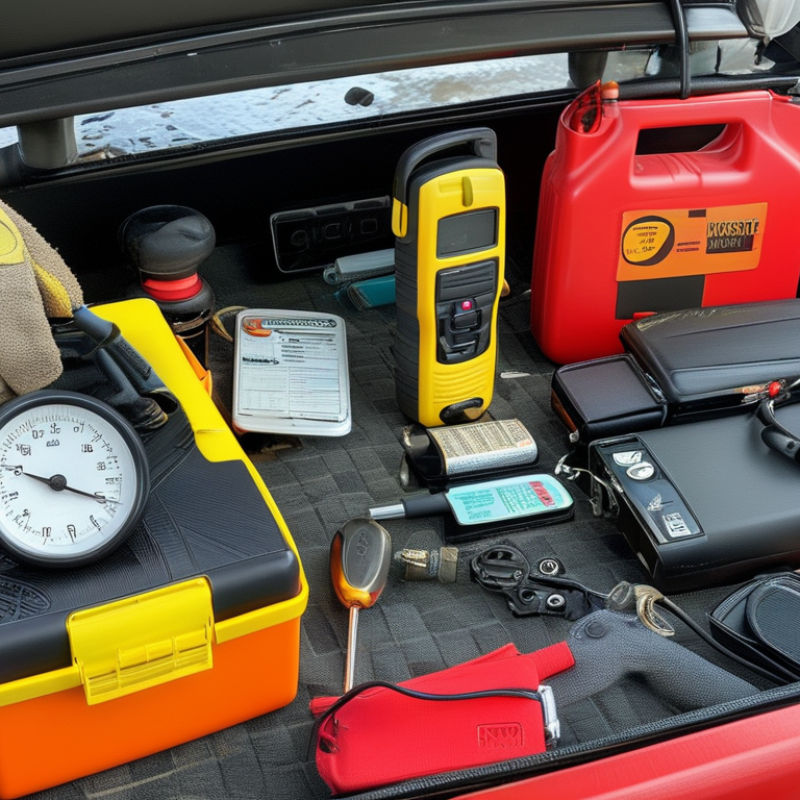
Define your car’s essential accessory needs before buying anything. Start with daily conditions, not online trends. A parent may need a wipe-clean seat protector and compact storage. A rural driver may need a tire inflator, reflective vest, and durable floor mats. City drivers often value a small organizer and glare-reducing sunshade. Your commute, weather, passengers, and parking area should shape every choice.
Safety deserves practical attention. The National Highway Traffic Safety Administration recorded 42,514 U.S. traffic deaths in 2022. Accessories cannot replace careful driving, but they can support preparedness. Choose a first-aid kit, warning triangle, flashlight, and phone mount that does not block visibility.
S&P Global Mobility reported that the average U.S. vehicle age reached 12.6 years in 2024. Durable, washable accessories may therefore protect the cabin for many years.
I once bought a cheap cargo liner that curled at the edges. It looked fine online, but it became irritating within weeks.
Tips:
Measure first. Check airbag clearance. Keep emergency tools reachable. Read fitment details carefully. Avoid duplicate gadgets. Set a budget before browsing, especially when vehicle ownership already costs heavily. AAA’s 2024 Your Driving Costs report estimated average annual ownership costs at $12,297 for a new vehicle. That figure makes thoughtful selection more sensible than collecting accessories. Reconsider every purchase after one month. Some “essential” items may simply be convenient.
How to Choose Essential Accessories for New Cars
Safety deserves the largest share of your accessory budget. Choose items that improve visibility, restraint, and emergency readiness. A properly fitted child seat matters more than decorative cabin upgrades. Check its installation points, harness position, and expiration information carefully. A compact first-aid kit, warning triangle, flashlight, and tire-pressure gauge can also help during unexpected delays. Keep these items secure, so they do not become dangerous projectiles during hard braking. Consult the vehicle manual before adding electrical equipment. Some accessories can interfere with sensors, airbags, or warranty requirements.
Tips: Buy one safety item at a time. Test every device before travel. Avoid loose dashboard objects.
Comfort should come next, but comfort can quietly reduce safety. A phone mount should not block the windshield or essential controls. Seat cushions must preserve a correct driving position, especially near pedals and airbags. For utility, select a cargo organizer, washable floor protection, and a portable charging cable that matches the vehicle’s specifications. Measure the storage area first; a large organizer may waste useful space. It is tempting to buy everything at once. That approach often creates clutter and unused equipment. Reconsider each purchase after a week of driving. If an accessory has not solved a real problem, it may not belong in the car. Certified technicians and the owner’s manual remain reliable references when fit, wiring, or installation is uncertain.
| Accessory | Primary Priority | Best Time to Add | Main Purpose | Important Selection Criteria | Suggested Priority |
|---|---|---|---|---|---|
| Child Safety Seat | Safety | Before transporting a child | Provides age- and size-appropriate restraint and protection. | Choose the correct size category, verify vehicle compatibility, and follow the installation instructions. | Essential |
| Emergency Roadside Kit | Safety | Before long-distance travel | Supports visibility, basic first aid, and minor roadside emergencies. | Look for reflective warning equipment, gloves, a flashlight, basic first-aid supplies, and weather-appropriate items. | Essential |
| Tire Pressure Gauge | Safety | Immediately | Helps drivers check tire inflation against the vehicle manufacturer's recommended pressure. | Select a clear, easy-to-read gauge with a suitable pressure range and durable construction. | Essential |
| Portable Tire Inflator | Safety | Before frequent or remote travel | Allows temporary adjustment of low tire pressure when a service station is not nearby. | Check power connection, hose reach, pressure range, automatic shutoff, and storage size. | High |
| Dash Camera | Safety | After checking local regulations | Records road conditions and incidents that may help document what occurred. | Consider video quality, low-light performance, storage management, secure mounting, and privacy rules. | High |
| All-Weather Floor Mats | Utility | Before the first wet or snowy season | Protects the vehicle floor from water, mud, sand, and daily debris. | Use a vehicle-specific fit, raised edges, anti-slip backing, and a design that does not interfere with pedals. | High |
| Trunk Organizer | Utility | When carrying loose items | Keeps groceries, tools, and emergency supplies separated and easier to access. | Prioritize stable attachment, foldability, washable materials, and compartments suited to your cargo. | Medium |
| Sunshade | Comfort | Before hot-weather parking | Reduces direct sunlight entering through the windshield and helps protect the interior. | Choose a close windshield fit, easy storage, and a secure design that does not obstruct driving visibility when installed. | Medium |
| Seat Cushion or Lumbar Support | Comfort | After evaluating driving posture | May improve comfort during extended periods of driving when correctly positioned. | Ensure it does not alter seat-belt positioning, block airbags, or interfere with the driver's control of the vehicle. | Medium |
| USB Charging Cable Set | Comfort | Immediately, if needed for devices | Keeps compatible phones and small devices charged during travel. | Match the cable connector and charging standard, use suitable length, and route it away from pedals and controls. | Medium |
| Cargo Cover or Barrier | Utility | When carrying frequent or bulky loads | Helps conceal cargo or separate the passenger area from luggage and equipment. | Verify exact vehicle fit, load limits, attachment points, visibility, and compatibility with seat-folding functions. | Medium |
| Roof Cargo System | Utility | Before planned cargo-heavy trips | Adds carrying capacity when interior cargo space is insufficient. | Confirm roof-load limits, approved mounting points, secure fastening, weather resistance, and total vehicle height. | Low to Medium |
| Cleaning and Maintenance Kit | Utility | As needed | Supports routine cleaning and helps remove dirt before it damages interior or exterior surfaces. | Use materials suitable for glass, plastics, upholstery, and painted surfaces; avoid products that reduce visibility or create slippery controls. | Low |
Selection rule: Address safety-related needs first, then add accessories that improve daily comfort and practical utility. Always follow the vehicle manual and confirm that an accessory does not obstruct airbags, seat belts, pedals, controls, or visibility.
Choosing essential accessories for a new car begins with compatibility, not appearance. Check the exact model year, trim, body style, power rating, and mounting points. A useful fit should not block cameras, sensors, airbags, pedals, or ventilation. When I inspect a new vehicle, I also compare the accessory manual with the owner’s manual. Small differences matter. A rushed fit is rarely a bargain.
Quality deserves equal attention. Look for clear materials, tested connectors, heat-resistant wiring, and traceable safety information. The 2024 J.D. Power U.S. Vehicle Dependability Study recorded 190 problems per 100 vehicles, showing how quickly minor faults can affect ownership. Accessories should not create new ones. Check electrical demand, fuse protection, weather sealing, and battery impact. I sometimes underestimate installation time, especially with hidden trim clips. That is worth reconsidering.
Installation requirements should be confirmed before purchase. Some products need calibration, specialist tools, software updates, or professional fitting. NHTSA’s vehicle safety guidance stresses that modifications must not interfere with essential safety systems. Follow torque values and routing instructions instead of relying on appearance. Keep receipts, fitting records, and compatibility confirmations. A clean installation should leave no loose cable near a moving pedal or hot surface. Check it twice.
How to Choose Essential Accessories for New Cars
The lowest price rarely shows the full cost. A basic floor mat may cost $40, while a custom-fit set can exceed $180. Compare material, coverage, cleaning effort, and expected lifespan before buying. Rubber mats handle muddy shoes well, but softer materials may feel better during daily driving. Check raised edges and secure fasteners. A loose mat can interfere with the pedals. Safety comes first.
My first accessory budget was wrong. I focused on purchase prices and ignored installation, replacement parts, and storage. A $120 roof carrier became nearly $190 after fitting and protective hardware. Measure twice. Ask whether your vehicle needs special tools or professional installation. For electronic accessories, compare power use, recording quality, warranty length, and privacy controls. A cheaper device may lack reliable support after one year.
Long-term value also depends on how often you drive. A compact tire inflator may cost $50, but it can be useful during monthly pressure checks. A cargo organizer is worthwhile for frequent trips, yet unnecessary for an empty trunk. Read independent testing and owner reports, not only sales descriptions. Confirm compatibility using the vehicle’s exact model and production year. I still buy attractive accessories sometimes, even when the practical choice is clearer. That weakness deserves an honest place in the budget.
Compare typical U.S. retail and installation costs with estimated five-year practical value. Higher value scores reflect frequent use, safety benefits, durability, and replacement-cost savings.
Estimated costs are typical non-branded U.S. prices, including professional installation where commonly required. Actual prices vary by vehicle type and region.
A new car feels easier to use when everyday accessories have a clear purpose. Begin with items that improve safety, comfort, and organization. A compact first-aid kit, reflective warning triangle, tire pressure gauge, and phone mount are practical choices. Check the vehicle manual before installing anything. Some accessories can block airbags, sensors, or the driver’s view. I once placed a storage box too close to a passenger seat. It looked tidy, but it reduced legroom. That small mistake changed how I organize a car.
Tips:
Keep daily items within reach, but never near the pedals. Use a small organizer for charging cables, tissues, coins, and parking documents. Store emergency tools in the trunk, preferably inside a labeled pouch. Choose non-slip mats and secure containers. Loose objects can move sharply during sudden braking. Clean the storage areas every few weeks. You may find unnecessary items.
Comfort accessories should also match real driving habits. A sunshade can protect the cabin during hot afternoons. A washable seat cover may help families with children or pets. However, adding too much equipment creates clutter and distraction. Test one accessory for several days before buying more. Read reliable product instructions and check fitting measurements carefully. Personal preference matters, but safe access matters more. I still revise my setup after long trips. A neat arrangement is useful only when it remains easy to maintain.
: Start with your commute, weather, passengers, and parking conditions. A parent may need a washable seat protector and compact storage. A rural driver may need a tire inflator, reflective vest, and durable floor mats. City drivers often prefer a small organizer and glare-reducing sunshade. Trends can wait.
Consider a first-aid kit, warning triangle, flashlight, and phone mount. Keep emergency tools reachable from the driver’s seat. The phone mount must not block visibility or vehicle controls. Accessories cannot replace careful driving. They only support preparation.
Check airbag clearance before installing covers, mounts, or storage items. Keep cables away from pedals, hot surfaces, and moving parts. Secure floor mats with suitable fasteners. Loose mats can interfere with pedal movement. Check everything twice.
Confirm the exact model year, trim, body style, power rating, and mounting points. Read the accessory instructions beside the vehicle owner’s manual. Check clearance around cameras, sensors, airbags, pedals, and ventilation. Small differences can prevent a proper fit. Appearance is not enough.
Look for durable materials, tested connectors, heat-resistant wiring, and clear safety information. For electronic products, check power use, fuse protection, weather sealing, and battery impact. Read independent testing and owner reports. Sales descriptions can sound better than reality. I still get fooled sometimes.
Professional fitting may help with calibration, specialist tools, software updates, or complex wiring. Follow stated torque values and cable-routing instructions. Do not rely only on a neat appearance. Keep receipts, fitting records, and compatibility confirmations. A rushed installation is rarely a bargain.
Compare the purchase price, installation, replacement parts, cleaning effort, and storage needs. A low-cost item may become expensive after fitting and repairs. For floor mats, compare coverage, raised edges, material, and secure fasteners. Rubber handles muddy shoes well. Comfort still matters.
Consider how often you drive and where the accessory will be used. A compact tire inflator may help during monthly pressure checks. A cargo organizer suits frequent trips but may waste space in an empty trunk. Reconsider each purchase after one month. Some essentials are merely convenient.
Choosing the right accessories for a new car begins with identifying your everyday needs, driving habits, and the conditions in which the vehicle will be used. When asking, “What accessories are essential for new cars,” start by prioritizing items that improve safety, comfort, and practical utility. Safety-related equipment should come first, followed by accessories that make commuting, travel, storage, or maintenance more convenient.
Before purchasing, check whether each accessory is compatible with the vehicle’s size, systems, and available space. Consider product quality, durability, installation requirements, and whether professional fitting is necessary. Comparing costs alone is not enough; evaluate features, reliability, maintenance needs, and long-term value to avoid unnecessary purchases. Finally, select only the accessories that serve a clear purpose and organize them so they remain accessible without cluttering the cabin. A thoughtful selection can make daily driving safer, more comfortable, and more efficient while preserving the car’s usability and appearance.

Vivi Auto Accessories