How to Choose the Best Accessories for Safe Driving?

Time:2026-09-26 Author:Ethan
0%

Safe driving rarely depends on one gadget. It relies on clear sightlines, attentive habits, and equipment that works when needed. NHTSA recorded 42,514 U.S. traffic deaths in 2022, according to its Traffic Safety Facts: 2022 Data report. The scale is sobering. In the World Health Organization’s 2004 World Report on Road Traffic Injury Prevention, Director-General Dr. Lee Jong-wook wrote, “Road traffic injuries are a major but neglected public health problem, requiring concerted efforts for effective and sustainable prevention.” His warning still matters. A useful accessory can support prevention, but it cannot replace sound judgment.

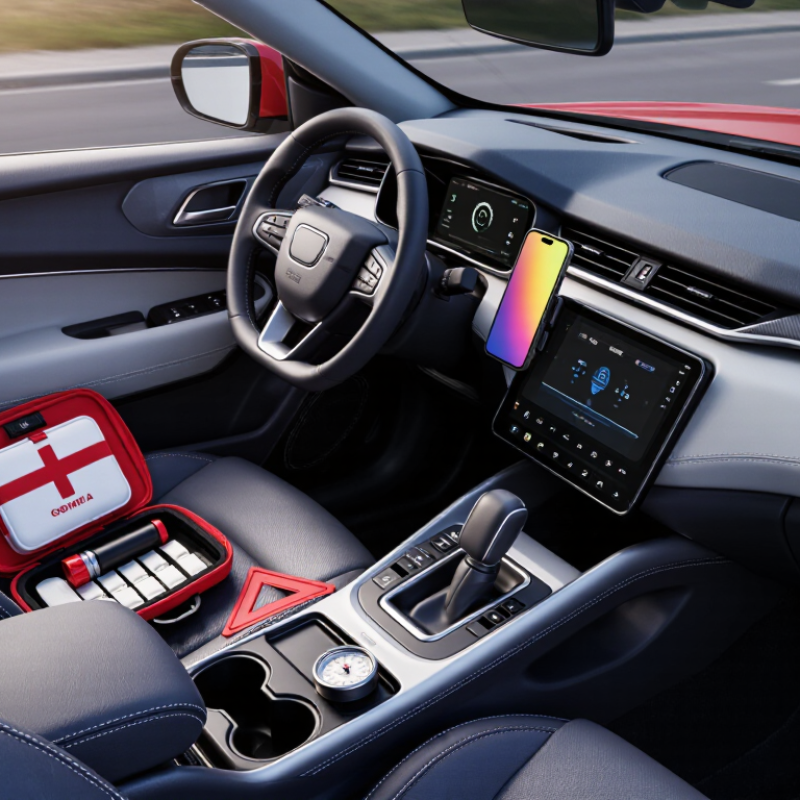
That distinction helps answer “What accessories help with safe driving” without turning a shopping list into a safety plan. A properly positioned phone mount can keep navigation visible without occupying a driver’s hands. A tire-pressure gauge makes an otherwise invisible maintenance check tangible. A compact emergency kit can provide practical supplies when a trip stops unexpectedly. Fit matters. So does placement. Even a well-reviewed device may obstruct a view, add clutter, or invite unnecessary attention if installed poorly.

This guide considers visibility, compatibility, ease of use, and real-world usefulness before price or novelty. It also separates helpful tools from distracting extras. Some benefits are difficult to measure, and an accessory’s presence does not prove safer driving. That deserves reflection. A tidy dashboard is not the same as an attentive driver. Check product instructions, vehicle compatibility, and whether the item solves a specific need before buying.
How to Choose the Best Accessories for Safe Driving?

Identify Your Driving Needs and Safety Priorities

How to Choose the Best Accessories for Safe Driving?

Identify Your Driving Needs and Safety Priorities

Start with the trips you actually make. Do you reverse into tight spaces, drive long highway stretches, or travel before sunrise? Each situation calls for different support. A compact tire-pressure gauge may help with routine checks, while a well-positioned mirror can improve your view around the car. Choose tools that solve a specific problem, not gadgets that add clutter. Start there.

Distraction deserves special attention. NHTSA reported 3,308 deaths in distraction-affected crashes in 2022. A phone mount may reduce reaching, but it does not make screen use safe; set navigation before moving. For frequent lane changes, consider whether clearer mirrors or a compatible blind-spot warning system would help. IIHS research found blind-spot detection reduced lane-change crashes by 14 percent in the vehicles studied; aftermarket systems may not deliver the same results. More alerts are not automatically safer. Check that controls are easy to reach, warnings are understandable, and accessories do not block your view. It is easy to overbuy. A short drive with one new accessory can reveal whether it genuinely helps—or simply becomes another distraction.

Check Vehicle Compatibility and Local Regulations

A safe accessory should match your vehicle’s exact year, model, and trim. Small design changes can affect mounting points, wiring, and sensor locations. Check the owner’s manual and the accessory’s fitment details before buying. Measure the space when needed; a few centimeters can matter. Do not assume a product fits just because it suits a similar vehicle.

Local rules can affect where and how an accessory may be used. Requirements differ by area, so check current guidance from your local transport authority or inspection service. Pay close attention to windshield-mounted items, added lights, mirror visibility, license plate clearance, and anything projecting beyond the vehicle. Rules may be less obvious than expected.

Test the installation while parked. Confirm that the driver’s view stays clear and that airbags, cameras, and parking sensors remain unobstructed. A snug fit is not proof of safety. If an accessory uses the vehicle’s wiring or requires structural changes, ask a qualified installer to review it. Fitment guides can miss details, so verify uncertain measurements rather than relying on a guess.

How to Choose the Best Accessories for Safe Driving? - Check Vehicle Compatibility and Local Regulations

Accessory Potential Safety Benefit Vehicle Compatibility Checks Local Regulation Checks Safe Selection and Use
Phone mount Keeps a phone in a consistent position for hands-free navigation, reducing the need to hold it. Check that the mount fits the dashboard, windscreen, or vent without blocking controls, airbags, or the driver’s view. Rules on windscreen-mounted devices and phone use vary. Check local restrictions on device placement and distracted driving. Set the route before moving and use voice guidance where permitted. Do not handle the phone while driving.
Dash camera Can record road events and may help document an incident. Check mounting options, power connection, cable routing, and whether the device remains clear of airbags and the driver’s sightlines. Check rules on windscreen obstruction, audio recording, privacy, and the use or sharing of recorded footage. Secure the camera firmly and route cables away from pedals and airbag deployment areas.
Blind-spot mirror Can expand the view in a side mirror, but does not eliminate blind spots. Confirm that it attaches securely to the existing mirror and does not cover important portions of the mirror surface. Check local requirements for required mirrors and whether add-on mirrors are allowed. Adjust all mirrors before driving and always check over the shoulder when changing lanes.
Parking sensors or rear-view camera Can help detect obstacles when parking or reversing. Confirm the system suits the vehicle’s dimensions, electrical system, display setup, and installation points. Check applicable vehicle-equipment and installation rules. Requirements differ by vehicle type, model year, and jurisdiction. Keep sensors and camera lenses clean. Use them as aids, not substitutes for looking around the vehicle.
Roof rack or cargo carrier Provides a way to carry items outside the passenger area, helping keep loose cargo out of the cabin. Check the vehicle’s permitted roof load, rack fit, attachment points, and any limits stated in the owner’s manual. Account for the rack’s own weight. Check rules on overall vehicle height, load overhang, and securing cargo for road travel. Secure the load, distribute weight appropriately, and recheck attachments after setting off. Extra roof load can affect handling and fuel use.
Window sunshades or tint film Can reduce glare or heat, depending on the product and where it is used. Check that shades fit the intended windows and do not obstruct the driver’s view or interfere with airbags. Visible-light-transmission limits and permitted tint locations vary by jurisdiction. Check local rules before applying film. Use only in ways that preserve clear visibility, especially through the windscreen and front side windows.
Replacement bulbs or auxiliary lights Suitable, correctly aimed lighting can help the driver see and be seen in appropriate conditions. Match the bulb or fitting to the vehicle’s lighting system and confirm that any replacement is compatible with the housing. Check rules on approved light types, colour, brightness, placement, and use. Requirements vary by location. Do not use lights that dazzle other road users. Have headlamps aimed correctly after relevant repairs or modifications.
Emergency warning triangle or reflective vest Can improve visibility when a vehicle is stopped in a hazardous location, where it is safe to use them. Check that the items can be stored securely and accessed without unloading other cargo. Some jurisdictions require or recommend particular warning equipment; requirements depend on location and vehicle category. Follow local guidance and prioritize moving to a safe place. Do not place a warning device if doing so would expose you to traffic.

Important: Vehicle compatibility and road rules vary by vehicle and jurisdiction. Check the owner’s manual and current local requirements before buying or installing an accessory. No accessory replaces attentive driving or required vehicle equipment.

Evaluate Accessory Quality and Safety Certifications

When assessing a driving accessory, look beyond polished packaging. Check its materials, seams, fasteners, and instructions. A phone mount, for example, should hold firmly over bumps without blocking your view. Small details matter. If a clip feels loose in your hand, it may not stay secure in the car.

Read the certification information carefully. A credible label should identify the applicable safety standard or testing body, not just say “tested” or “premium.” Standards differ by product and region, so verify the claim through the certifier’s public records when possible. Keep the manual and proof of certification. They can help you confirm what was actually tested. A certificate does not automatically mean an accessory suits every vehicle.

Fit and installation matter just as much as test results. Check that a floor mat cannot slide beneath the pedals, and keep mounts clear of airbags and essential controls. Follow the vehicle and accessory instructions, even when the setup looks obvious. It is easy to assume a tight fit is safe; I would still recheck it after driving. There is room for doubt. If instructions are unclear or a safety claim cannot be verified, choose a simpler accessory with clearer documentation.

Compare Essential Accessories for Different Driving Conditions

How to Choose the Best Accessories for Safe Driving?

Choose accessories for the conditions you actually face. The Federal Highway Administration’s Road Weather Management program estimates that about 21% of U.S. crashes are weather-related.

In rain, check tire tread and keep washer fluid and serviceable wiper blades ready. Clear glass matters. A microfiber cloth can remove interior haze before it affects visibility. If windows fog, use the vehicle’s defogger rather than wiping them while driving.

For night driving, clean headlight lenses and arrange an inspection if the beams seem poorly aimed. Keep a flashlight in the cabin for unexpected stops.

In winter, a scraper, warm gloves, blanket, and tire-pressure gauge address cold starts and icy mornings. NHTSA’s 2022 Traffic Safety Facts records 42,514 U.S. traffic deaths; accessories cannot remove risk, but preparation can help drivers respond.

Long trips call for different choices: a securely fitted phone mount, charging cable, water, and a basic first-aid kit. Keep loose items out of the footwell, where they can interfere with pedals.

It is easy to overpack. A bulky emergency kit is less useful if essential items are buried beneath bags, so store the most-needed tools within reach while parked.

Install, Use, and Maintain Accessories Correctly

An accessory is only helpful when it is fitted securely and does not distract the driver. Before installation, read the instructions and check that the item suits your vehicle. Place phone holders within easy reach, but keep them out of your direct view of the road. A loose cable can snag a foot or catch on a control. Small details matter.

After fitting an accessory, sit in the driver’s seat and check your view of mirrors, windows, and dashboard displays. Make sure nothing blocks an air vent or interferes with a seat belt. Test the setup while parked, not while moving. It can feel convenient at first, yet awkward placement may become distracting on a longer drive. Reposition it if you need to stretch or look away.

Accessories also need regular care. Check mounts for cracks, loosened screws, or sticky pads that have collected dust. Clean camera lenses and sensors gently with a soft cloth; even a thin film can affect visibility. Replace worn parts rather than improvising a repair. I might overlook a small rattle, but it can signal a fitting that needs attention. Remove items that no longer serve a clear purpose.

How to Choose the Best Accessories for Safe Driving?

Install, Use, and Maintain Accessories Correctly

AAA testing found that tires worn to 2/32-inch tread took 43% farther to stop on wet pavement at 60 mph than new tires. Check tire tread regularly and replace worn tires to help maintain safe braking.

Source: AAA, tire tread depth testing on wet pavement.

FAQS

How can I check whether an accessory fits my vehicle?

Match its fitment details to your vehicle’s exact year, model, and trim. Measure the space if needed; a few centimeters can matter. Similar vehicles may have different mounting points.

What should I check before using an accessory on public roads?

Check current guidance from your local transport authority or inspection service. Pay attention to windshield placement, lights, mirror visibility, and license plate clearance. Rules can be easy to miss.

How do I know whether an installed accessory blocks something important?

While parked, check your view through the windows and mirrors. Make sure airbags, cameras, sensors, vents, and seat belts remain unobstructed. Sit in your usual driving position.

Which items are useful in rainy weather?

Keep wiper blades in good condition and washer fluid available. Check tire tread, too. A microfiber cloth can clear interior haze. Clear glass matters.

What should I keep handy for night driving or winter?

Clean headlight lenses and arrange an inspection if the beams seem poorly aimed. In winter, keep a scraper, warm gloves, a blanket, and a tire-pressure gauge nearby. A flashlight helps during unexpected stops.

How can I keep a phone mount from becoming distracting?

Fit it within easy reach but outside your direct view of the road. Secure loose cables so they cannot catch on a foot or control. Test the placement while parked.

How should I pack accessories for a long trip?

Carry water, a charging cable, and a basic first-aid kit. Keep loose items out of the footwell. Store frequently needed tools where you can reach them while parked, not beneath heavy bags.

How often should I inspect accessories?

Check mounts for cracks, loose screws, and dusty adhesive pads. Clean camera lenses and sensors gently with a soft cloth. Replace worn parts instead of improvising repairs. I might ignore a small rattle, but it may deserve a closer look.

Conclusion

Choosing the best accessories for safe driving starts with understanding your needs, priorities, and the conditions you usually encounter, such as nighttime travel, rain, or long journeys. Ask yourself, “What accessories help with safe driving?” Useful options may include visibility aids, emergency supplies, hands-free communication tools, or equipment that helps you monitor your vehicle. Before choosing, confirm that each item is compatible with your vehicle and complies with local requirements.

Quality and reliable safety certifications matter more than appearance or extra features. Compare accessories based on how well they address your driving conditions, how easy they are to use, and whether they could distract you or obstruct your view. Follow the installation instructions, check that accessories are secure, and maintain them regularly. A suitable accessory can support safer habits, but attentive driving and proper vehicle care remain essential.

Ethan

Ethan

Ethan is a seasoned marketing professional with a deep expertise in our company's innovative product line. With a passion for sharing knowledge and insights, he takes the lead in regularly updating our corporate blog, where he explores industry trends, product features, and effective marketing......