Why Do Cars Need Protective Accessories?

Time:2026-09-16 Author:Ethan
0%

Why do cars need protective accessories? The answer begins with daily exposure, not showroom appearance. A vehicle faces ultraviolet light, road salt, gravel, rain, shopping carts, and careless door swings. These small threats accumulate. Paint fades. Floor carpeting traps moisture. A bumper corner collects scratches in a crowded parking lot.

John Nielsen, former managing director of Automotive Engineering and Repair at AAA, offers a practical reminder: “Protective accessories support maintenance; they never replace it.” His point matters because accessories work best as part of responsible ownership. A quality floor mat can contain muddy water before it reaches the carpet. Paint protection film can reduce stone-chip damage on a highway commute. A sunshade can lower dashboard heat during a long summer afternoon. Door-edge guards may prevent a sharp mark beside a narrow garage.

The right accessory should match the vehicle’s real environment. A city driver may value bumper protection. A rural driver may need mud flaps and durable liners. A parent may prioritize washable seat covers. The choice should not be based only on glossy advertising. Cheap materials can curl, trap moisture, or interfere with pedals and visibility. That risk is often overlooked.

Protection begins with details. It also requires judgment. No accessory can correct worn tires, weak brakes, or neglected fluids. Some products offer comfort more than protection, and that is not necessarily a problem. Honest evaluation matters. This guide will examine how protective accessories preserve a car’s condition, reduce avoidable repair costs, and support safer, more thoughtful ownership.
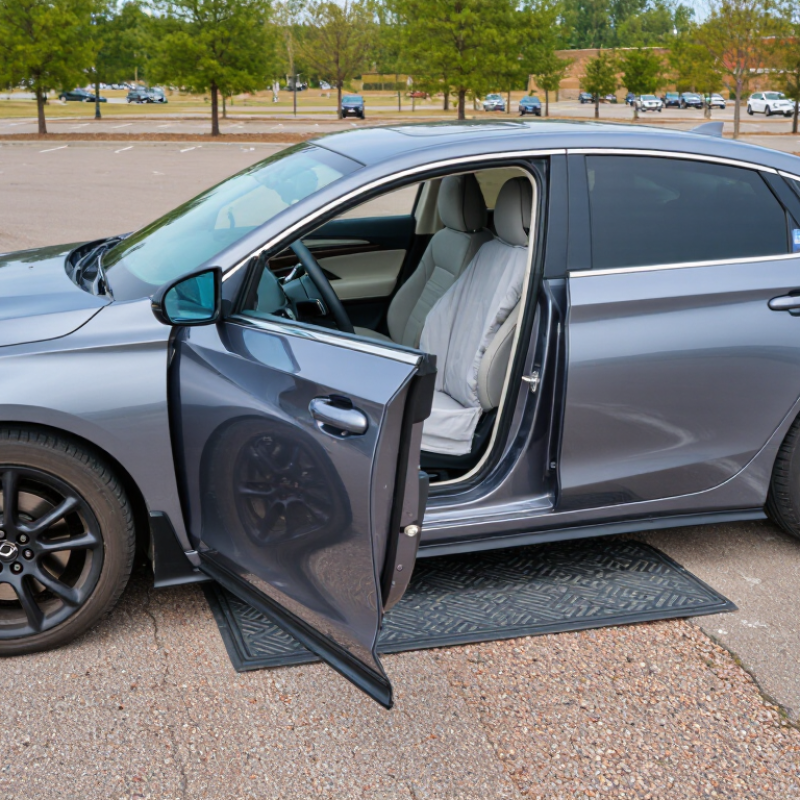
Why Do Cars Need Protective Accessories?

What Are Car Protective Accessories?

Car protective accessories are add-on products that help shield a vehicle from damage, dirt, moisture, and daily wear. They include floor liners, seat covers, cargo trays, mud flaps, door-edge guards, bumper protectors, and paint-protection films. Some accessories protect the cabin from spilled coffee, wet shoes, or loose tools. Others reduce scratches from stones, branches, and loading equipment.

Their value becomes clearer in ordinary driving. The AAA Foundation for Traffic Safety reported that road debris caused more than 200,000 crashes in the United States from 2011 to 2014. The report also linked debris to about 39,000 injuries and over 500 deaths. Protective accessories cannot prevent every collision. They can, however, limit smaller damage. A cargo tray may contain leaking bottles. A bumper guard may soften a careless loading impact. These details matter during vehicle inspections and resale assessments. Still, fit and installation are not always perfect.

Tips Choose accessories that match the vehicle’s exact model and safety systems. Floor products must not block pedals or shift underfoot. Seat covers should not interfere with side airbags. Check fasteners after heavy use, especially before long trips. Clean trapped sand and moisture regularly. Cheap protection can create expensive problems. Always follow the vehicle maker’s installation guidance and check independent safety information, such as testing guidance from the Insurance Institute for Highway Safety.

Which Vehicle Areas Need Protection?

Why Do Cars Need Protective Accessories?

Which Vehicle Areas Need Protection?

Road exposure is uneven. The front bumper meets gravel, insects, and low-speed impacts. A clear protective film can reduce paint chips there. The hood and mirror caps face similar damage on highways. However, protection should not hide cracked sensors or poorly repaired surfaces.

The windshield deserves careful attention. Small stone impacts can spread through temperature changes and vibration. Keep washer fluid clean, replace worn wiper blades, and inspect chips quickly. The lower doors and rocker panels collect mud, salt, and road grit. Mud guards and durable side molding may help, especially on unpaved routes. They are not perfect. Trapped moisture can create another problem.

Wheels, wheel arches, and the underbody also need protection. AAA’s 2022 America’s Pothole Problem report estimated 26.5 billion dollars in U.S. vehicle damage from 2016 to 2021. The average repair reached 621 dollars. That figure supports checking tires, rims, suspension, and underbody shields after a hard impact. Inside, cargo liners protect flooring from wet equipment and spilled liquids. S&P Global Mobility reported that the average U.S. vehicle age reached 12.6 years in 2024. Longer ownership makes small protective choices more valuable, but fit, visibility, and maintenance still matter more than adding every accessory.

How Do Protective Accessories Prevent Damage?

Protective accessories prevent damage by absorbing impact, blocking debris, and separating vulnerable surfaces from daily hazards. A door-edge guard can take the scrape when a neighboring door swings too far. A cargo liner traps sand, spilled drinks, and wet soil before they reach the vehicle’s carpet. Splash guards redirect grit and water away from lower panels, while skid plates protect exposed components on rough roads.

Small impacts matter. The AAA Foundation for Traffic Safety reported more than 500,000 crashes involving road debris between 2011 and 2014. These incidents caused about 39,000 injuries and over 200 deaths. That report does not measure accessory performance, but it shows how ordinary debris can create serious consequences. A properly fitted underbody shield may reduce punctures from stones, yet it cannot defeat every impact. The difference depends on material strength, installation quality, and driving speed.

NHTSA recorded approximately 5.93 million police-reported crashes in 2022. Most were not caused by dramatic collisions. Parking contact, loose gravel, weather, and loading mistakes also create repair bills. Protection is layered. A liner preserves the cabin, while a clear protective film helps resist chips on painted surfaces. I have seen owners overestimate inexpensive covers, too. Poorly secured accessories can trap moisture, rub paint, or interfere with sensors. Regular inspection remains necessary, especially after winter driving or contact with rough surfaces.

What Types of Protective Accessories Are Available?

Why Do Cars Need Protective Accessories?

What Types of Protective Accessories Are Available?

Cars face small hazards every day. Gravel chips paint, wet shoes stain carpets, and loose cargo scratches interior panels. Protective accessories reduce this gradual wear and help preserve a vehicle’s condition. The best choice depends on climate, parking conditions, passengers, and driving habits.

All-weather floor mats shield carpets from rain, mud, and spilled drinks. Seat covers protect fabric from pets, children, work clothes, and food stains. Cargo liners create a washable barrier beneath tools, groceries, or sports equipment. Mud flaps help limit road spray and stones near the lower body. Door edge guards reduce paint damage in narrow parking spaces. Bumper protectors can prevent marks during loading, but they cannot stop serious impacts. Windshield sunshades also reduce interior heat and dashboard fading.

Proper fit matters more than appearance. A loose floor mat may interfere with pedal movement. Seat covers must not block side airbags or seat controls. Check the material, attachment method, cleaning needs, and installation instructions. Cheap accessories sometimes crack in cold weather or trap moisture underneath. That mistake is easy to miss. I would inspect protected areas regularly, because accessories can hide dirt instead of preventing it. Protection should support safe driving, not create another maintenance problem.

How Should Drivers Choose and Maintain Them?

Why Do Cars Need Protective Accessories?

How Should Drivers Choose and Maintain Them?

Protective accessories help reduce daily wear from sunlight, mud, spills, and careless loading. Choosing them well requires more than attractive appearance. Start with precise fit, safe materials, and compatibility with your vehicle’s controls. A loose floor mat can interfere with pedals. Poorly fitted covers may block airbags or seat adjustments. Check the vehicle manual and installation instructions before buying. Practical inspections often reveal that simple, washable protection works better than complicated equipment.

Material matters. Select heat-resistant items for strong sunlight and waterproof options for frequent rain. Look for secure fasteners, smooth edges, and easy cleaning. Avoid accessories that obstruct visibility, ventilation, sensors, or emergency equipment. Local regulations may also affect items such as window coverings and lighting accessories. I once underestimated how quickly trapped moisture could stain a fabric cover. That small mistake changed my maintenance routine. Still, no accessory lasts forever.

Tips: Clean mats and covers weekly during heavy use. Remove grit before wiping surfaces, because sand can cause scratches. Inspect clips, straps, and seams each month. Replace cracked, curled, or loose parts promptly. Keep accessories dry before storage. Use mild soap and a soft cloth; harsh chemicals can weaken coatings. After installation, test pedal movement, seat travel, mirror visibility, and safety-belt access. If anything feels restricted, remove the accessory and reassess the fit.

Why Do Cars Need Protective Accessories? - How Should Drivers Choose and Maintain Them?

Protective Accessory Primary Protection Common Materials How to Choose Recommended Inspection Maintenance Guidance Replacement Warning Signs
Floor Mats Protects the carpet from water, mud, dirt, and abrasion. Rubber, thermoplastic elastomer, carpet fiber. Select a vehicle-specific fit with secure retention points and adequate pedal clearance. Check monthly and after installation or removal. Remove, shake out, wash when suitable, and dry completely before reinstalling. Curling edges, damaged anchors, holes, or movement toward the pedals.
Seat Covers Reduces stains, friction, sunlight exposure, and everyday wear on upholstery. Woven fabric, synthetic leather, polyester, neoprene. Use a proper fit and confirm that seat-mounted airbags and seat-belt paths remain unobstructed. Check every one to three months. Follow the care label, remove spills promptly, and keep seams and fasteners secure. Loose fabric near airbags, torn seams, exposed fasteners, or impaired belt access.
Paint Protection Film Helps reduce minor stone chips, light scratches, and road-surface abrasion. Transparent polyurethane film. Choose suitable coverage for high-impact areas and installation compatible with the vehicle's paint finish. Inspect every three to six months. Use mild automotive soap, a soft microfiber cloth, and avoid abrasive cleaners or sharp tools. Severe lifting, yellowing, cracking, bubbling, or contamination beneath the film.
Mud Flaps Limits mud, water, gravel, and road salt thrown onto the body and nearby vehicles. Flexible rubber or molded plastic. Check wheel clearance, attachment strength, and compatibility with suspension movement. Inspect monthly and after driving on rough or icy roads. Rinse away packed dirt and salt; tighten fasteners without distorting the panel. Cracks, missing fasteners, excessive flexing, or contact with tires.
Door-Edge Guards Helps prevent chips and scratches along exposed door edges. Flexible plastic, rubber, or protective adhesive material. Choose a secure fit that does not interfere with door seals or closing operation. Check every three months. Clean the contact area and inspect adhesion after washing or exposure to heat. Peeling, hardened material, trapped dirt, or difficulty closing the door.
Windshield Sunshade Reduces dashboard and cabin heat and limits ultraviolet exposure when parked. Reflective polyester, foam, or laminated fabric. Select a windshield-sized design that fits securely without obstructing driving visibility when stored. Inspect at the start of each warm season. Keep it clean and dry; fold or roll it according to its construction to prevent creases. Torn reflective layers, broken frames, poor fit, or loose pieces.
Trunk Liner Protects the cargo floor from liquid spills, dirt, stains, and transported objects. Rubber, thermoplastic, carpet, or molded polymer. Choose raised edges, a stable fit, and access to required storage or emergency equipment. Check monthly or after transporting wet or dirty items. Remove debris, wipe spills quickly, and allow moisture to evaporate before covering the cargo floor. Permanent deformation, cracking, strong odor, leakage, or interference with the cargo hatch.
Tire and Wheel Protection Helps reduce damage from curb contact, road debris, corrosion, and improper storage conditions. Wheel covers, tire bags, corrosion-resistant coatings, or approved protective sleeves. Use products that maintain tire ventilation, do not cover safety markings, and fit the wheel size correctly. Inspect before long trips and during seasonal changes. Keep tires correctly inflated, clean road salt from wheels, and avoid storing wet tires in sealed bags. Visible cracks, loose covers, corrosion, air loss, bulges, or damage affecting tire integrity.
General Safety Rule: Any accessory must fit securely, preserve visibility and access to controls, and never interfere with pedals, seat belts, airbags, lights, tires, or emergency equipment.

FAQS

What are car protective accessories?

They are add-on products that reduce damage, dirt, moisture, and everyday wear. Examples include floor liners, seat covers, cargo trays, and bumper protectors.

Why do drivers use protective accessories?

They help manage spilled drinks, wet shoes, loose tools, stones, and branches. Small protection can matter.

Can protective accessories prevent crashes?

No. They cannot prevent every collision. They may limit minor damage from loading, road debris, or careless contact.

How should drivers choose floor protection?

Choose a liner matching the vehicle’s exact floor shape. It must stay fixed and never block the pedals. Test pedal movement after installation.

Are seat covers always safe?

No. Poorly fitted covers may interfere with side airbags or seat adjustments. Check the vehicle manual before installation. A tight fit is not enough.

What materials work best in different conditions?

Choose waterproof materials for frequent rain and heat-resistant products for strong sunlight. Smooth edges and secure fasteners are useful. Appearance alone can mislead.

How should drivers maintain these accessories?

Clean mats and covers regularly, especially after muddy trips. Remove sand before wiping surfaces. Sand can scratch interior panels.

What should drivers inspect after heavy use?

Check clips, straps, seams, and edges each month. Replace cracked, curled, or loose parts promptly. Loose protection can create new problems.

What mistakes should drivers avoid?

Do not cover sensors, block visibility, or restrict seat-belt access. Avoid harsh chemicals on protective coatings. I once ignored trapped moisture, and staining followed.

When should an accessory be removed?

Remove it if pedals, mirrors, ventilation, seats, or emergency equipment feel restricted. Recheck the fit carefully. Sometimes simpler protection works better.

Conclusion

Why do cars need protective accessories? These practical additions help shield a vehicle from everyday hazards such as minor impacts, road debris, scratches, weather exposure, dirt, and accidental spills. Protective accessories may be used on areas that experience the most wear, including bumpers, doors, mirrors, windows, floors, seats, cargo spaces, and vulnerable exterior surfaces. By absorbing light contact, creating a barrier, or reducing friction, they can help preserve a car’s appearance and condition while making cleaning and routine upkeep easier.

Common options include protective mats, seat covers, bumper guards, door-edge films, mud flaps, window shields, cargo liners, and surface covers. Drivers should choose accessories that fit the vehicle properly, match their driving environment, and use durable, easy-to-clean materials without interfering with visibility, controls, sensors, or safety features. Regular inspection and cleaning are also important, since loose, damaged, or poorly maintained accessories may provide less protection.

Ethan

Ethan

Ethan is a seasoned marketing professional with a deep expertise in our company's innovative product line. With a passion for sharing knowledge and insights, he takes the lead in regularly updating our corporate blog, where he explores industry trends, product features, and effective marketing......